HIGH SCHOOL TRAINING / SOUTH WINDSOR, CT
Become the best player on your team. Stay healthy doing it.
You’re different. You’re only in high school once. Make the most of your career.
Start with an evaluation to find what your body needs to move faster, produce more power, and meet the demands of your sport.
WHAT PROGRESS CAN LOOK LIKE
More velocity.
A Division I opportunity.
Nick Worthington
Nick trained with Drew, added approximately 7–8 mph to his pitching velocity, and earned a walk-on opportunity at the University of Rhode Island.
- Pitching velocity
- +7–8 mph
- University of Rhode Island
- Division I walk-on
Today, Nick helps coach the next group of BOLD/T athletes.
Nick’s URI roster profile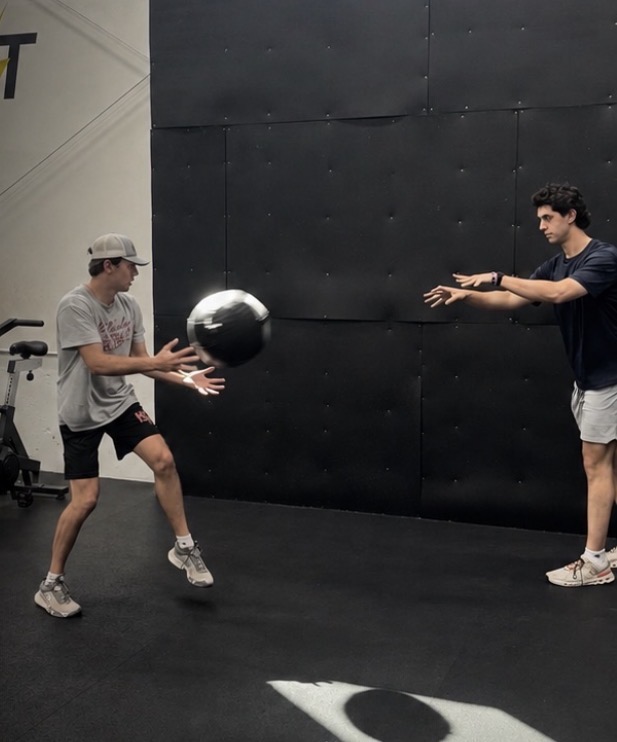
17.0 to 23.1 inches.
One athlete’s countermovement jump on BOLD/T’s force plates
- 17.0 in
- 23.1 in
- Change
- +6.1 in
One pitcher’s fastball velocity
Average fastball speed in PitchLab sessions
- May
- 67.1 mph
- August
- 73.0 mph
- Change
- +5.9 mph
Paxton’s pitching milestone
Paxton went from throwing in the mid-60s to reaching 75 mph.
Winter baseball group
Drew estimates this group added about 7 mph to throwing velocity on average over the winter.
AMANDA’S STORY
From a high school injury
to professional softball.
Amanda Hasler started working with Drew while coming back from an injury in high school. She continued training with him year-round through high school, Division I softball, and into her professional career.
Watch Amanda’s testimonial on Instagram (opens in a new tab)PERFORMANCE & LONG-TERM HEALTH
Know what to work on.
Know when to push.
Your goal matters. So does how your body gets there. We connect precise testing with an understanding of how you move to choose what to push, what to change, and how much you’re ready for.
Test with a purpose.
For a quicker first step, we time your first 10 yards and film your start. If you want to hit the ball harder, we measure exit velocity and review your swing. We repeat the same test to see what changes.
Understand what you need.
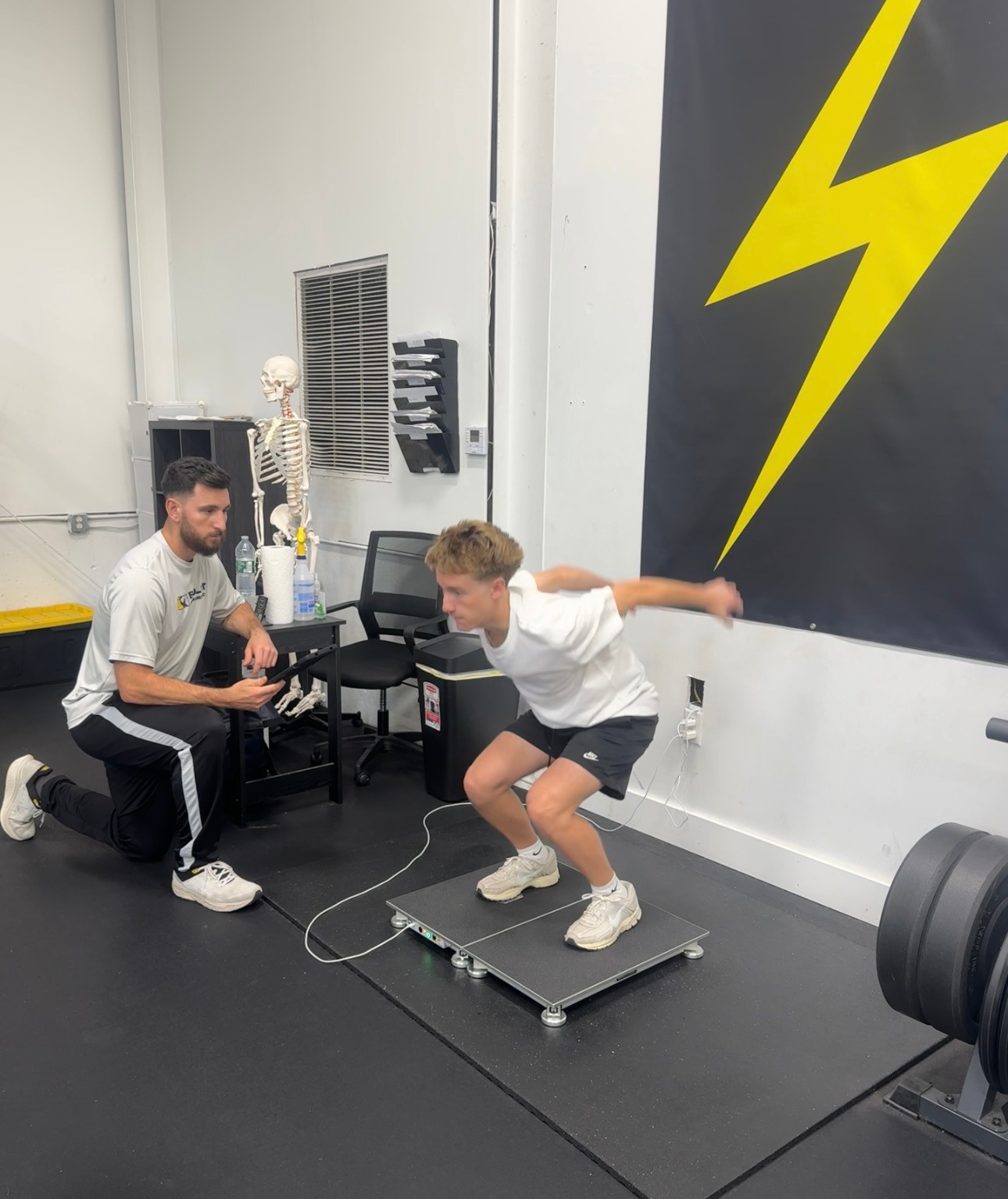
Two athletes can jump the same height. Force plates show how hard each one pushes and for how long. We compare those findings with how your hips and ankles move, your injury history, and what you do in your sport.
Push the right buttons.
You might need a loaded split squat to build a stronger push, or short starts to use your strength sooner. If your arm is still sore after a start, we adjust the week’s work. Your results and recovery guide that decision.
Coaching led by Drew Cobin, with 16 years of experience working with youth, college, and MLB players.
Meet DrewTESTING & TRAINING
Your next step starts
with an evaluation.
Bring your goals. We’ll find your starting point and explain what to work on next.
See what we testAssess
Discuss your goals and injury history, assess movement, and use relevant force-plate, speed, and sport measures to set training priorities.
Train
Follow an individual plan that targets the qualities your sport and your body need, with coaching adjusted to how you respond.
Retest
Check your response each session and repeat key tests to measure progress. Your results and sports schedule guide what happens next.
Questions about high school training.
Is this only for baseball players?
Baseball and throwing are a big part of Drew’s coaching background, including work with MLB players. BOLD/T also coaches athletes in softball, soccer, basketball, hockey, and other sports.
What if they’re already one of the best on their team?
Then let’s find out what they can build on. Movement, speed, and power testing help us identify specific training targets for the level they want to play.
What if they have an injury history?
We review their history and current activity before recommending a starting point. When needed, we coordinate with their physical therapist or medical team and work within their guidance.
YOUR FIRST SESSION
Start with an evaluation.
You’re only in high school once. Tell Drew what you want to achieve, and let’s find the right place to start.