Everyone can use this training method.
Regardless of equipment availability, age, injury history, etc.
Holds, specifically, “isometric holds” are a great method for improving force production, recovery, and reducing injury risk.
So what is an isometric hold?
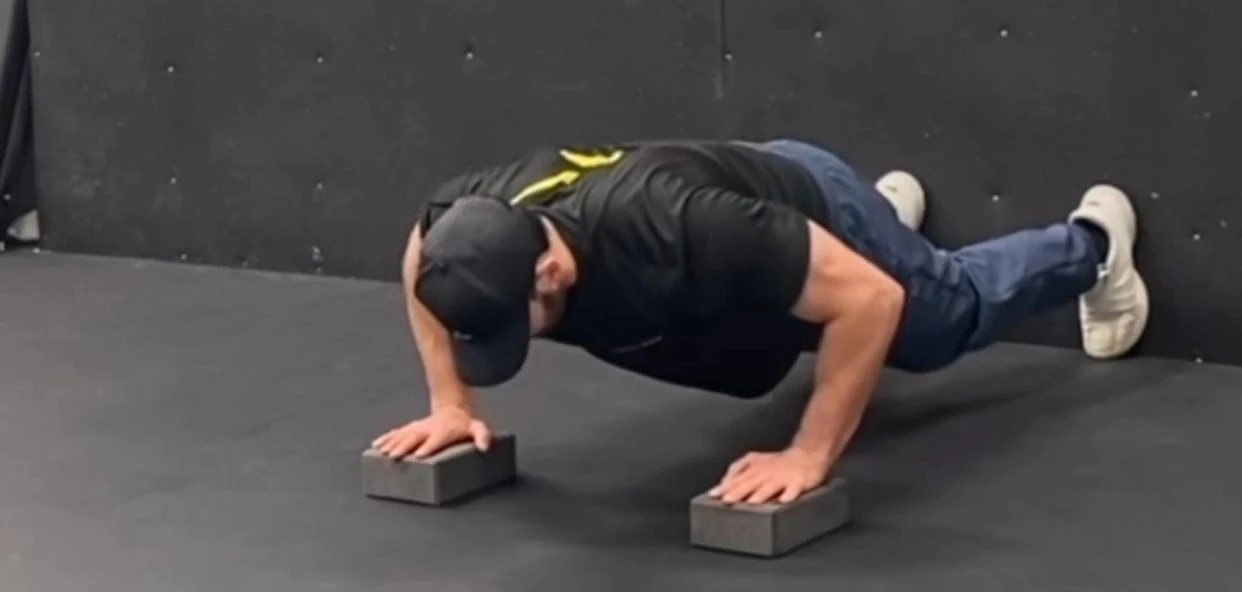
An isometric hold is when you are contracting your muscles in a static position to produce force, like in a push-up hold or pushing into an immovable object.
Isometric holds can be done in two ways, in the push-up hold example we are doing a “yielding isometric,” where we are resisting our body changing shape against the pull from gravity.
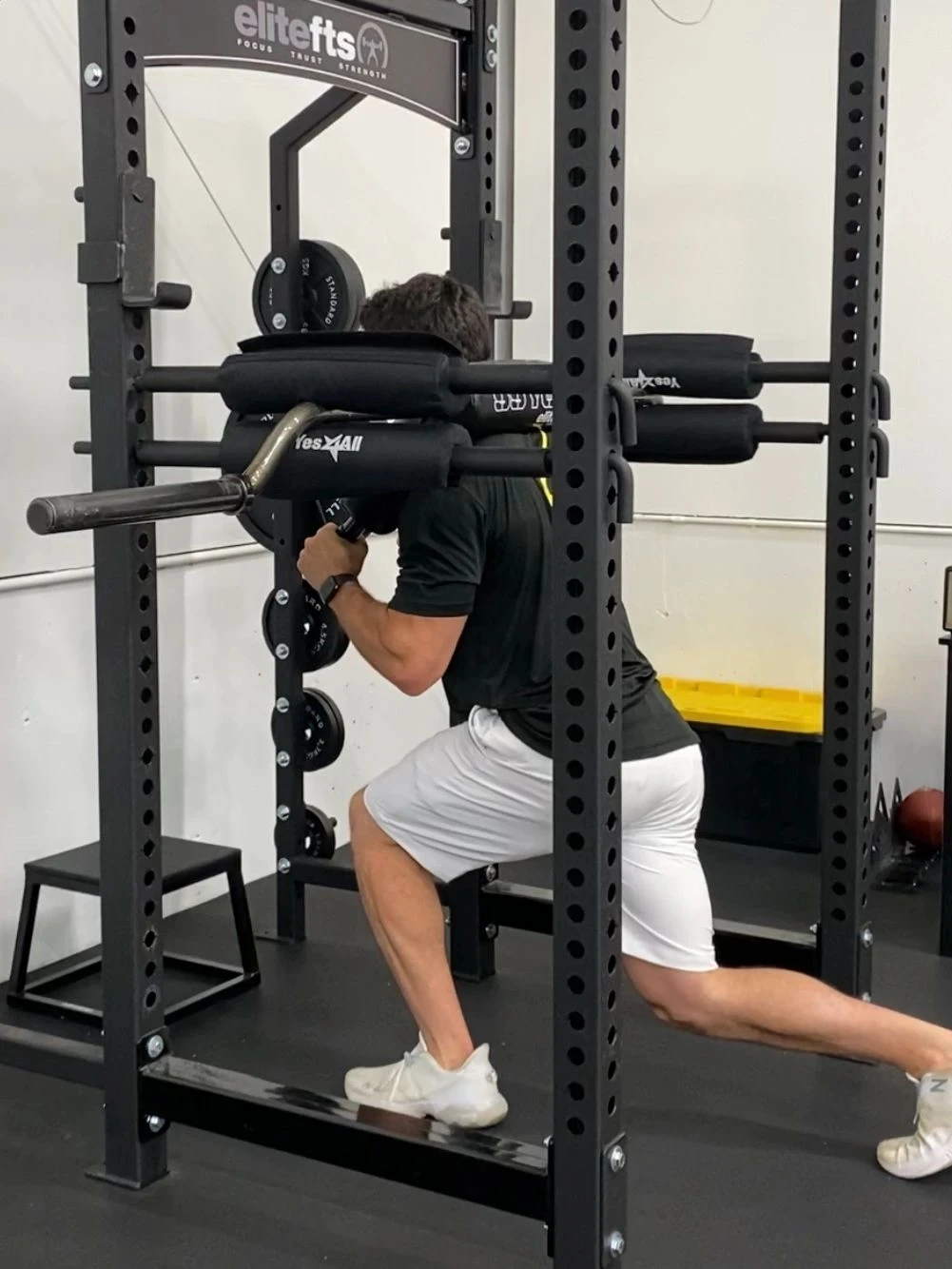
The second kind of isometric is an “overcoming isometric,” which is when we are producing force against an object that isn’t moving.
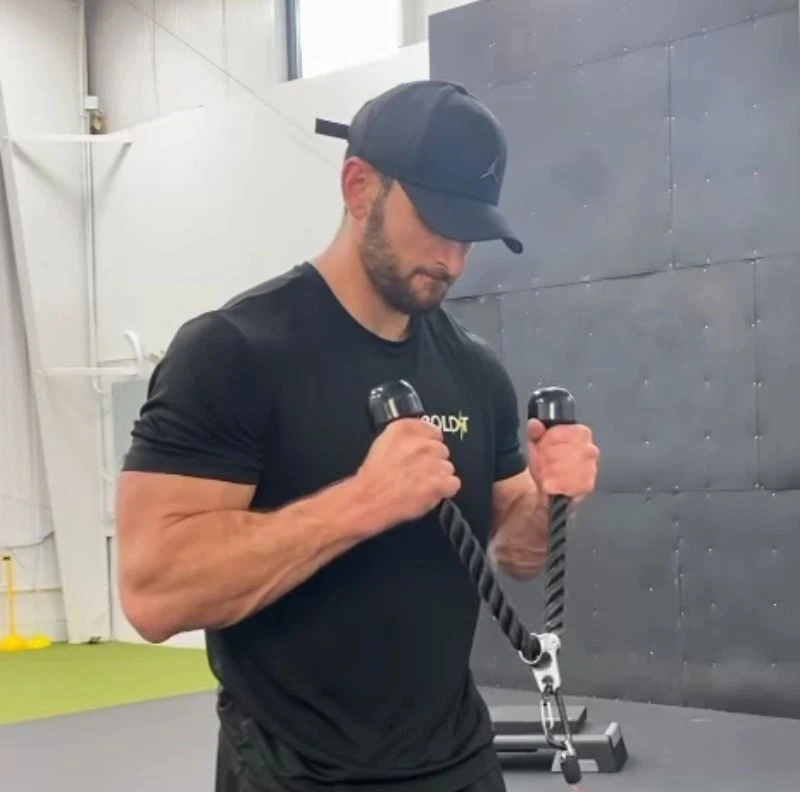
In contrast, common training we see normally uses joint motion like in a bicep curl, when you bring the weight down that is the eccentric phase, and when you bring the weight back up, that's the concentric phase. Today we are talking about if you just bring the weight halfway up and hold it for time, isometric holds!
So let’s talk about how to use these…
I love using holds because it teaches us good positioning, and how to produce force in a good position.
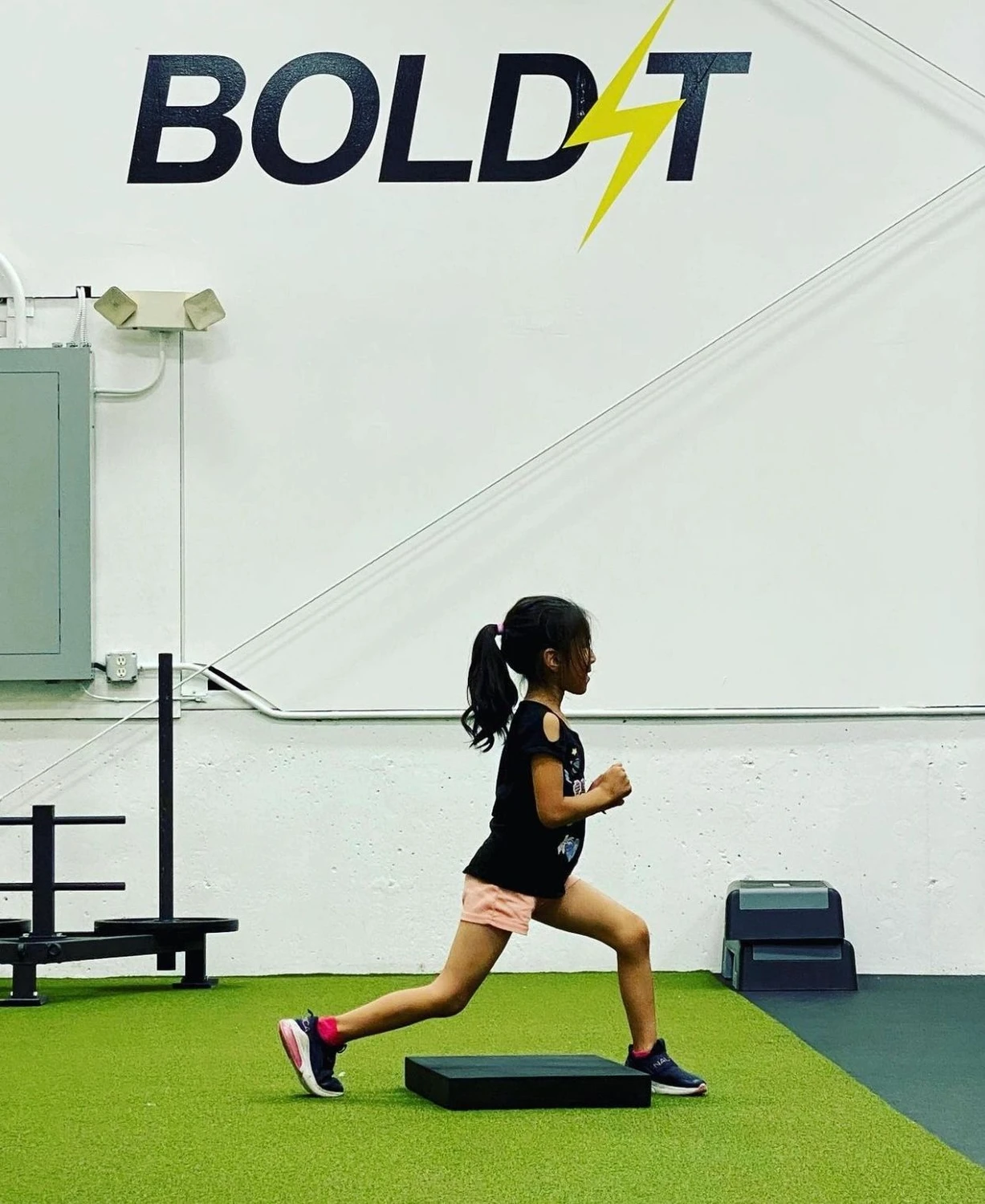
Here is a yielding isometric split-squat 30 second hold. We use the foam pad beneath the back knee to create good spacing and depth. This is something that will help us progress to loading the split-squat with proper technique. These yielding options help load the tissues in these lower ranges of motion and they also promote healing through stress relaxation. Here's an article where they looked at using isometrics and nutrition to treat patellar tendinopathy in athletes, "https://journals.humankinetics.com/view/journals/ijsnem/29/4/article-p453.xml."
"Basically, as the tissue is loaded water is squeezed out and structures, such as fascicles and subfascicular components of the tendon slide relative to each other resulting in a progressive decrease in the tension within the tendon at a given length (Atkinson et al., 1999; Magnusson et al., 1997)"
If the goal is to learn to develop more contextual stiffness, than we may want to use something like this instead…
https://www.youtube.com/shorts/yaiOcHS0TYk
This 5 sec hold in the YouTube video will help us apply more force to the ground and resist deformation or changing shape. In an athletic context, it could help us resist being pushed over as a football lineman, or it could help us reduce ground contact times during sprinting to sprint faster!
Isometrics don't cause muscle damage, so the implications of this are huge. Because there is no muscle damage, we can use isometrics more often, and specifically in season whether for the purpose of reducing pain, improving performance, or both!
We don't need equipment to use isometrics, so we can do these holds anywhere!
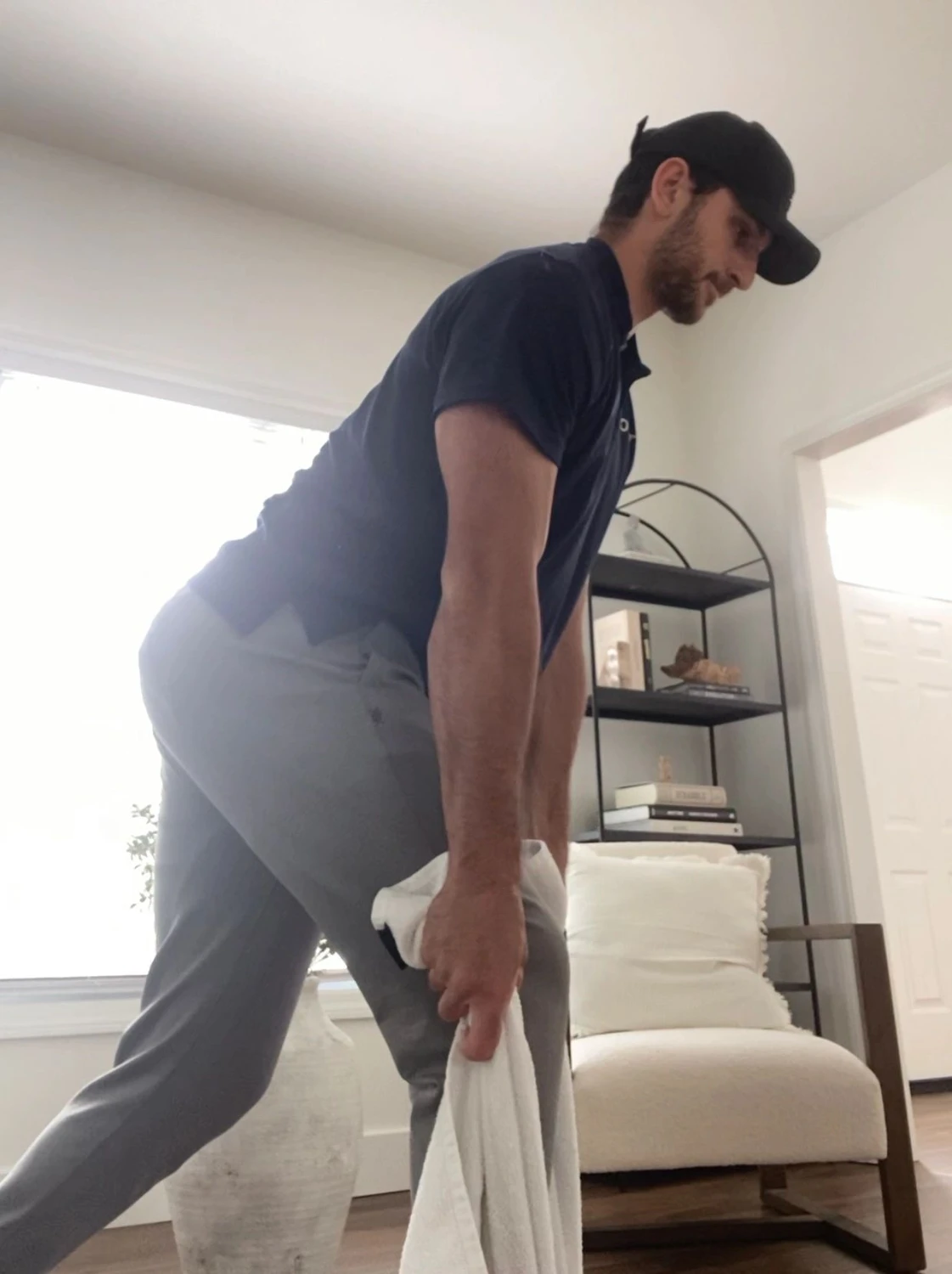
Some things to consider when doing isometrics are, joint positions, position of the center of gravity, and which kind of isometric we use, (overcoming or yielding.) Let's save this for the next post.
Thanks for reading,
Coach D